Google’s latest AI weather model gives you no excuse to forget your umbrella
ThinkingNews Desk · how this was written
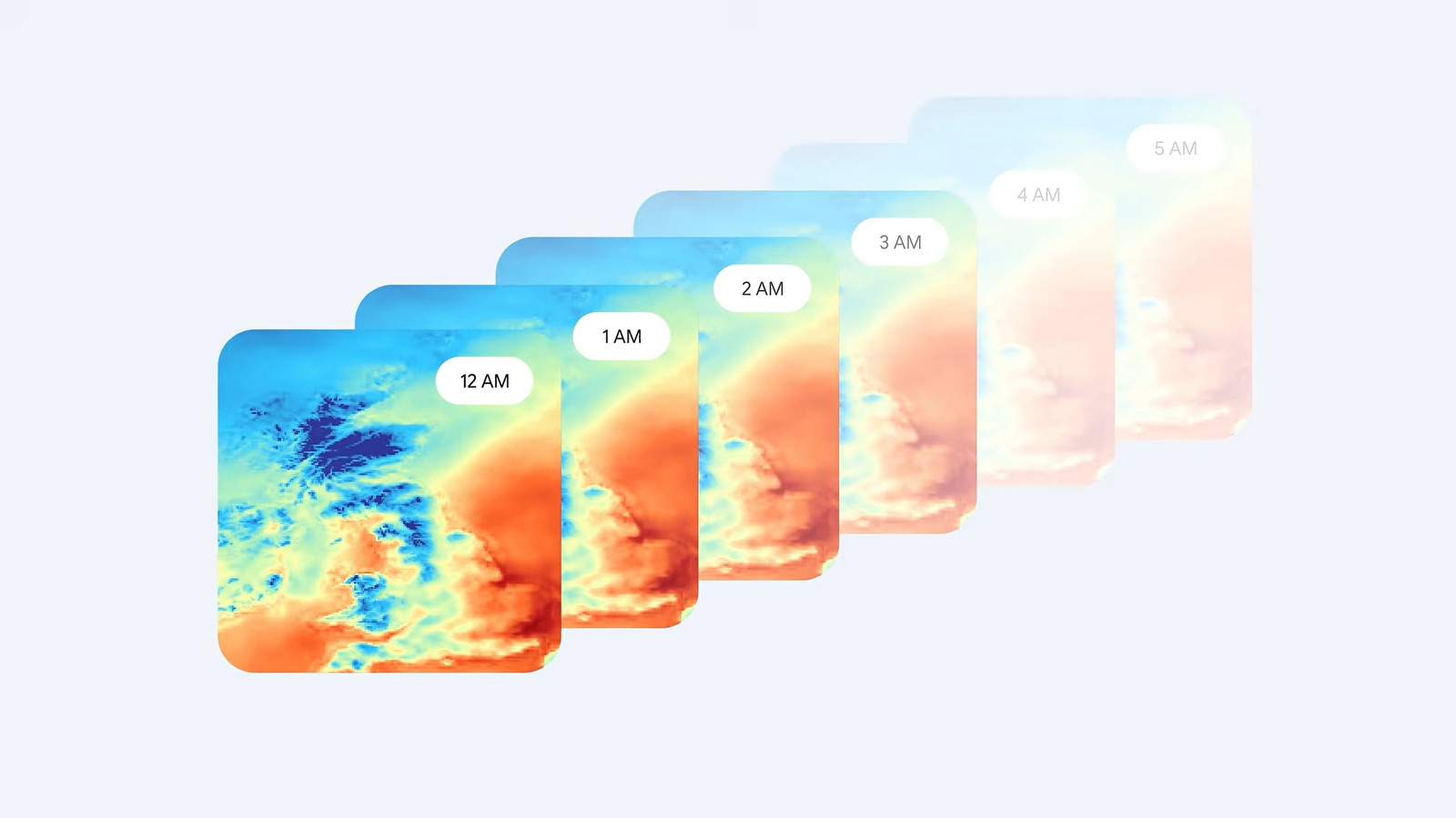
Google’s WeatherNext 3 AI model delivers hourly forecasts on a 5-km grid, ingesting live satellite imagery and sparse station data. The system provides higher-resolution temperature, moisture, wind-speed and humidity predictions, including 100-meter turbine-height wind estimates. It improves precipitation accuracy by up to 60% compared with its predecessor, outperforming other deep-learning models and national weather services.
Written from all 3 reports below, not from any single one.
How it was reported
- TechCrunch·Google’s latest AI weather model gives you no excuse to forget your umbrella
WeatherNext 3, a Google DeepMind and Google Research AI model, provides hourly forecasts at 5 km resolution and improves rain prediction by 60% versus its predecessor. Tested on Operational WeatherBench, it surpasses deep-learning models from Google, Microsoft, Nvidia, ECMWF and forecasts from the US National Weather Service and ECMWF. The 2.4-times larger model ingests real-time satellite data and targets ground stations, delivering finer, faster predictions for Google products and cloud users.
- The Verge·Google says its AI weather model is getting better
Google has launched WeatherNext 3, an AI-driven weather model that delivers forecasts at five times higher resolution than its predecessor by ingesting real-time observations. The system claims unprecedented accuracy for rain and snowfall predictions, extending beyond the data typically used by global AI weather models.
- Engadget·Google's new AI weather model uses live satellite data for higher-resolution forecasts
Google DeepMind’s WeatherNext 3 AI model delivers hourly forecasts on a 5-km grid, using live satellite imagery and sparse station data to produce detailed temperature, moisture, wind-speed and humidity predictions, including 100-meter turbine-height wind estimates. It improves precipitation accuracy by up to 50 percent, especially in historically unreliable regions, and powers Google Search, Gemini, Maps, the Maps Weather API and Earth Engine.
Related stories
- Google open-sources an AI model it says can help with earlier hurricane warnings3 outlets
- Google built a flash-flood prediction tool using Gemini and old news reports3 outlets
- Google aims to take the sting out of scheduling meetings with a new Gemini feature5 outlets
- WindBorne, which deploys weather balloons to collect data for its AI weather forecasting models, raised a $37M Series B at a $250M post-money valuation (Tim Fernholz/TechCrunch)3 outlets