Water Behind the Watts: The Hidden Risk of Powering Data Centers
ThinkingNews Desk · how this was written
Data centers are increasingly using new power transformer technology, which is driving a rapid expansion of gas-powered electricity in the United States. The shift to these transformers raises concerns about the hidden risks associated with powering large data-center facilities.
Written from all 3 reports below, not from any single one.
How it was reported
- Ars Technica·Data centers become "killer application" for new power transformer tech
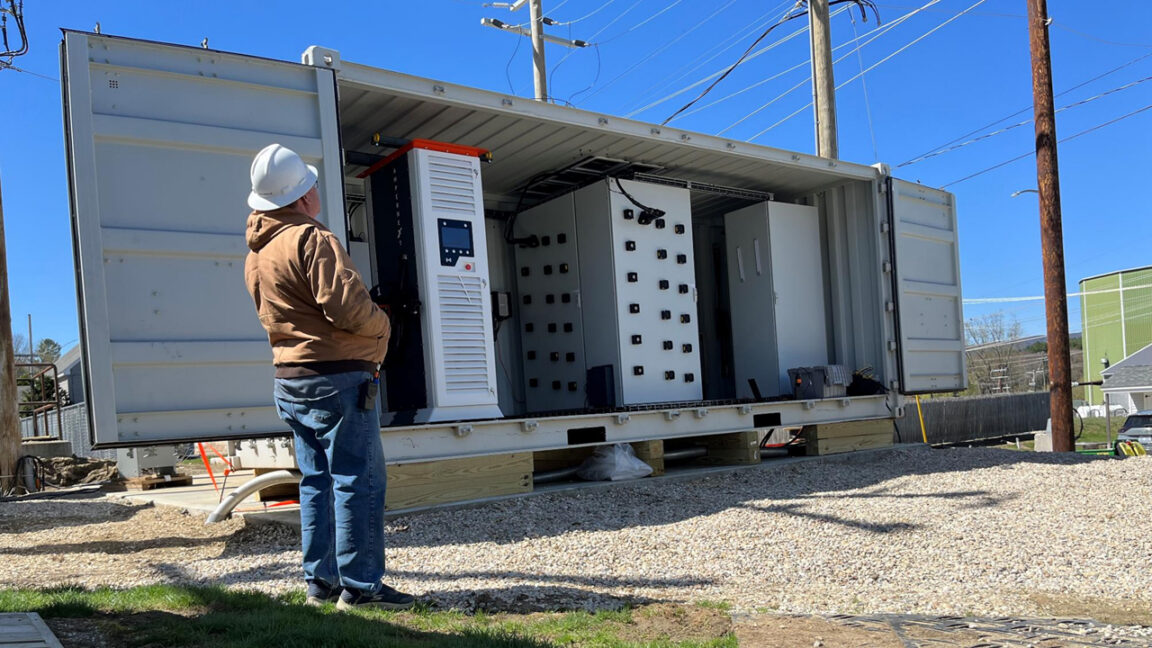
Data centers are driving a surge in U.S. electricity demand, exposing the limits of legacy transformers built with hand-wound copper coils on steel cores since the 1880s. Solid-state power transformers, based on modern power-electronics, can be mass-produced and deployed faster, addressing long lead times and aging equipment in the grid.
- Wired·Data Centers Are Driving an Alarming Gas Power Expansion in the US
U.S. data center gas-fired capacity will increase from 97 GW at the end of 2025 to more than 189 GW by mid-2026, almost doubling in under a year. Operators are installing behind-the-meter plants to bypass grid delays, often using inefficient turbines that emit higher greenhouse-gas levels than several small countries. This growth places the United States ahead of China in total gas-project pipelines, while Chinese data centers are shifting toward renewable energy sources.
- Hacker News·Water Behind the Watts: The Hidden Risk of Powering Data Centers
Data centers in Virginia, Texas, California, Illinois, Georgia, Ohio, and Arizona use about 3.4 trillion gallons of freshwater annually for electricity, exceeding the combined use of Los Angeles, Phoenix, and Washington, D.C. Seventy-eight percent of their power comes from water-intensive plants, 66% of which operate in regions with medium-high to extremely high water stress. Few operators assess these water risks, despite AI expansion driving demand for clean, water-efficient energy.
Related stories
- Inside the data centres powering AI: gold racks, demented noise, and 40 diesel generators3 outlets
- AI Data Centers Are Driving Up Power Bills – This Map Shows Where3 outlets
- New Gas-Powered Data Centers Could Emit More Greenhouse Gases Than Entire Nations3 outlets
- Senators want US energy information agency to monitor data center electricity usage4 outlets